
A 12-Hour Layover in Seoul: Finding Balance in Ancient Healing Traditions
There’s something poetic about a layover.
A pause between destinations.
A moment suspended in time.
An invitation to experience a place—not fully, but intentionally.
With just 12 hours in Seoul, I won’t pretend it felt slow.
It was tight. I felt the pressure of time—watching the clock, mapping routes, moving quickly from one place to the next.
But even within that rush, I made a conscious decision:
To be intentional about where I went.
Instead of trying to see everything, I chose places that would allow me to feel something—to connect with the deeper essence of Seoul, even in a short window.
And somehow, in the middle of that fast-paced schedule, I found myself stepping into centuries-old healing traditions that still live and breathe today.
A Glimpse into the Joseon Era
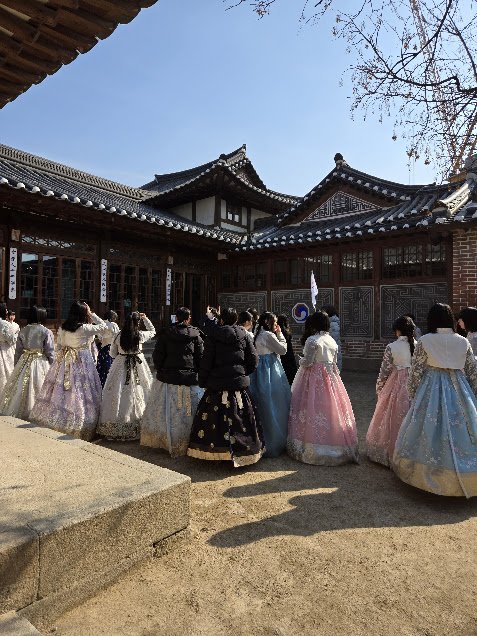
My first stop was a quick visit to Bukchon Hanok Village and the House of Baek-Inje.
Walking through narrow alleys lined with traditional hanok homes felt like stepping back in time. The stillness, the architecture, the intention behind every structure—it all carried a quiet elegance.
What made it even more special was seeing young women dressed in hanbok, Korea’s traditional attire. A living reminder that tradition here isn’t just preserved… it’s worn, walked and embodied.
Entering Seoul’s Herbal Heart
From there, I made my way to the Seoul Yangnyeongsi Herb Market & Medicine Museum.
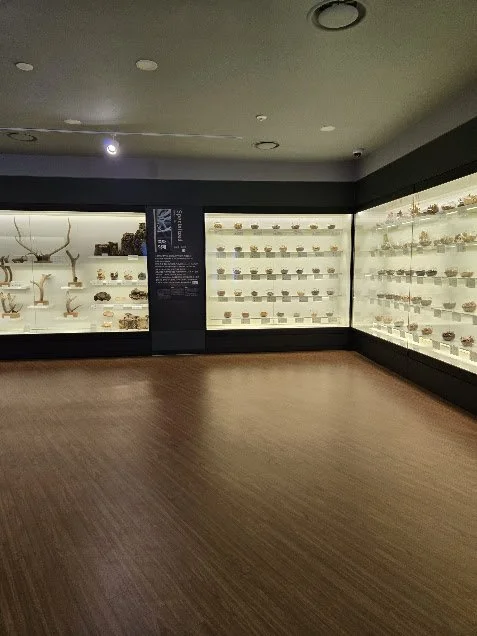
Before my Bojewon Experience began, I was given time to explore the museum, which was a deep dive into how Korean ancestors understood healing.
The space showcased nearly 350 medicinal ingredients—roots, herbs, and natural elements—each carrying centuries of wisdom. But what stood out most wasn’t just the ingredients…
It was the philosophy.
Healing here wasn’t about reacting to illness.
It was about maintaining balance between body and mind.
The Meaning of Bojewon
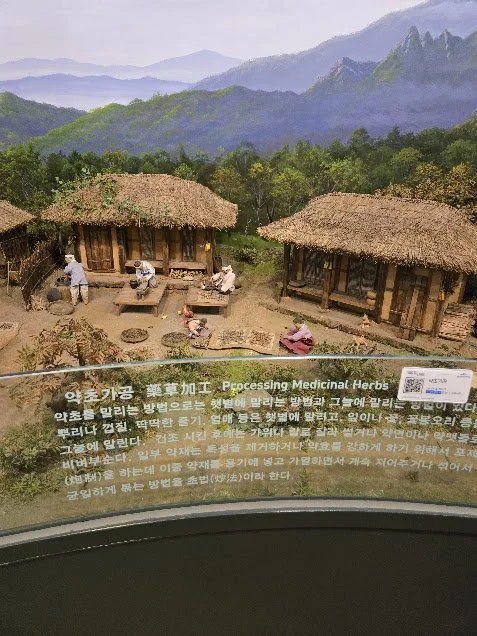
Inside the museum, I learned that Bojewon was once known as a “Symbol of Public Welfare & Charity.”
Historically, it was a place established during the Joseon era to care for the sick and provide aid to the poor—assigned by the King himself.
The name Bojewon literally means: “saving people far and wide.”
It was a continuation of care that has existed for generations.
Traditional Korean medicine, rooted in Chinese origins, has been uniquely developed by Korean practitioners—using native herbs and evolving through centuries of practice.
Healing, Made Interactive
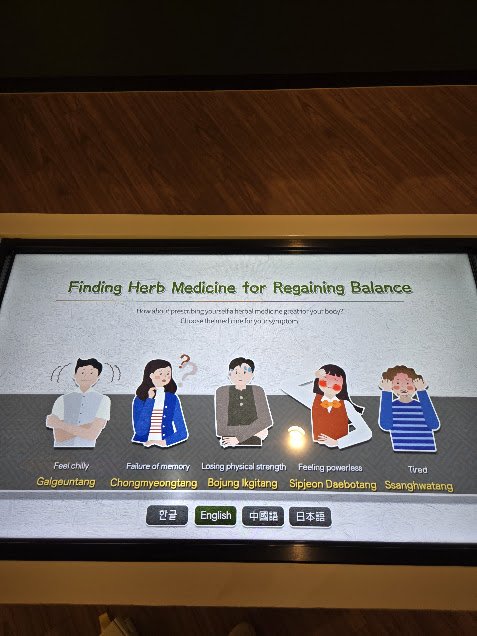
One of my favorite moments in the museum was a small but meaningful detail—an interactive kiosk.
You could select a problem area in your body, and it would recommend specific herbal remedies to restore balance.
Ancient knowledge, translated through modern technology.
The Medicinal Foot Bath
Then, it was time to experience it for myself.
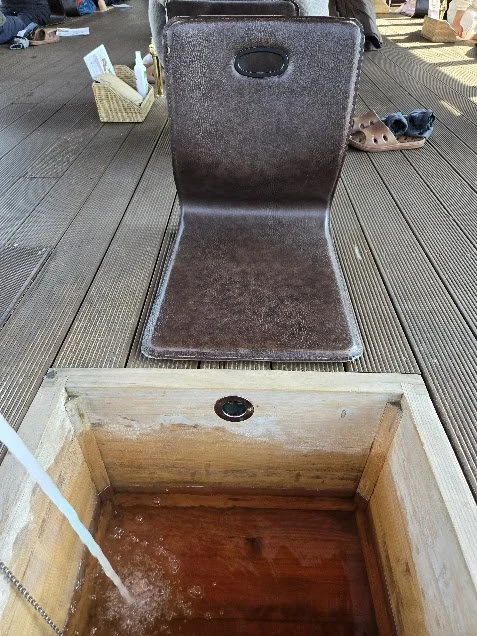
The first step was a herbal foot bath, infused with red ginseng, known for improving circulation.
As I sat there, soaking my feet alongside others, I couldn’t help but think of similar communal traditions across Asia—like the onsen in Japan.
This ritual is rooted in the principle of duhanjogyeol— keep the head cool and the feet warm.
A simple concept, yet deeply symbolic of balance within the body.
Meridian Massage
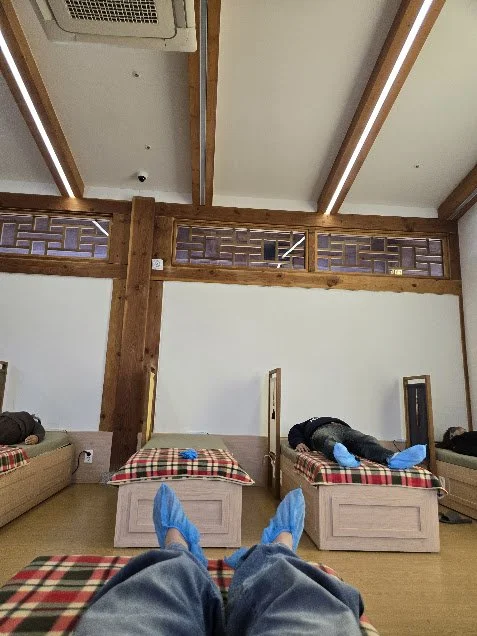
Next, I moved upstairs for a meridian massage experience.
The setup was simple—a heated massage bed, an eye mask and a quiet room shared with others.
The massage itself was mechanical, yet incredibly soothing—designed around meridian principles to release tension and restore energy flow throughout the body.
There was something unexpectedly comforting about the communal aspect of it.
Healing, not as a private luxury—but as a shared, accessible experience.
Where Ancient Meets Modern
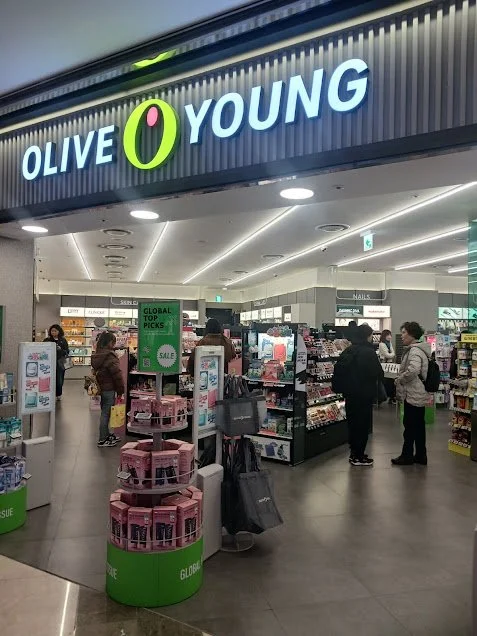
Afterward, I made my way to the modern side of Seoul—home to COEX Mall and endless K-beauty destinations.
Inside Olive & Young, a popular K-beauty store, I began to notice something familiar. Many modern skincare brands are rooted in hanbang—traditional Korean herbal medicine.
One brand that stood out was Beauty of Joseon, which draws directly from ingredients used during the Joseon Dynasty.
Their formulations include:
Green plum
Propolis
Ginseng
Red bean
Mugwort
Green tea
Centella asiatica
Rice
Modern hanbang blends ancient herbal wisdom with scientific innovation, often using fermentation to enhance absorption and effectiveness.
And after trying these products—both in Seoul and back home—I can honestly say…
There’s a noticeable difference.
Not just in appearance, but in how your skin feels—balanced, nourished and naturally radiant.
A Living Tradition
What I found in Seoul was that wellness was a way of life—one that seamlessly blends past and present.
From ancient apothecaries to modern skincare shelves.
Sometimes, wellness is as simple as:
honoring the body
trusting nature
creating space for balance
Even in just 12 hours, I didn’t just pass through Seoul.
I experienced a philosophy that stays with you—long after you leave.