
The Yog Lifestyle: Movement as a Path to Inner Stillness in India
There is a moment in India where movement no longer feels like effort—but like alignment.
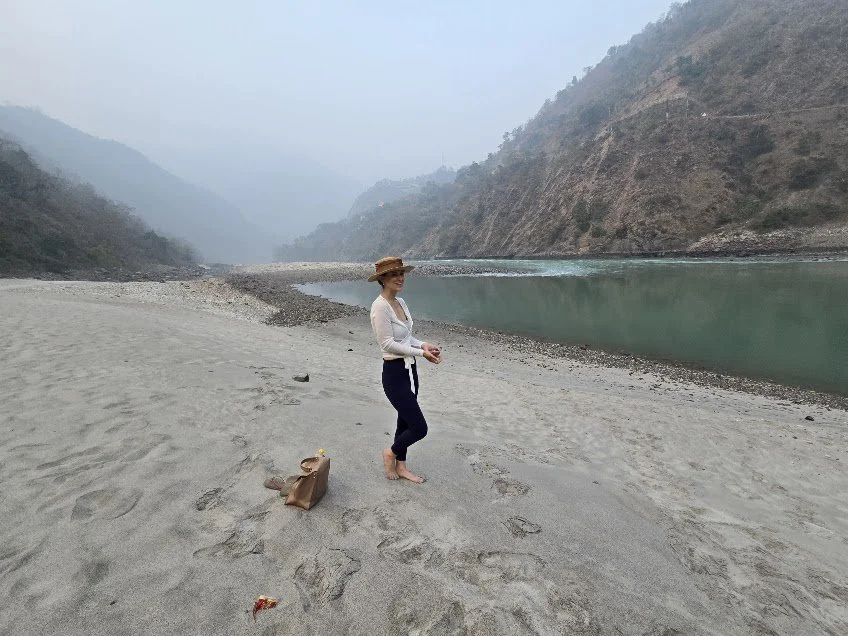
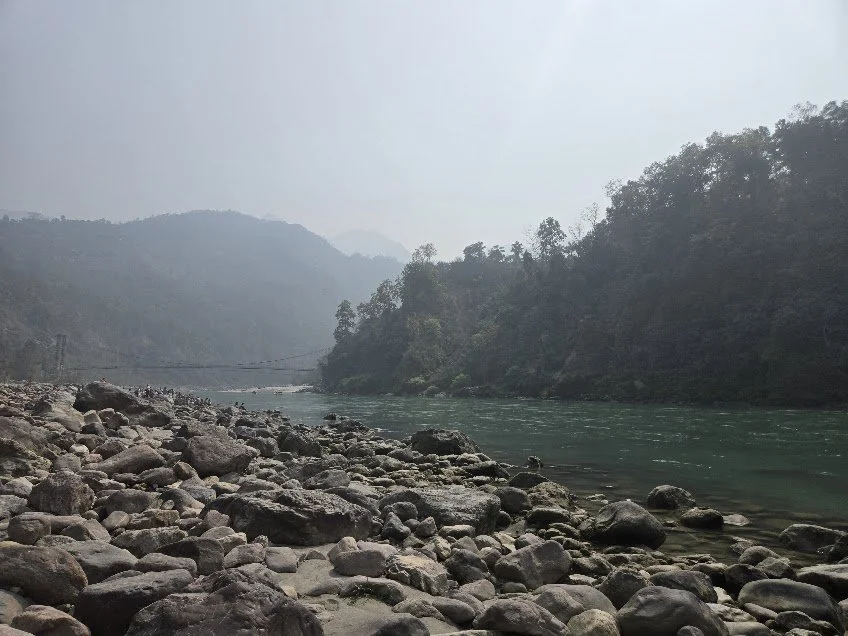
I felt it in Rishikesh, a place where the sacred rhythm of life flows as steadily as the Ganges River itself.
Beyond Yoga: Understanding “Yog” as a Way of Life
In the West, yoga is often confined to a mat—a class, a workout, a moment carved out of a busy day.
But in India, I learned that yog is not something you do. It is something you live.
During my wellness retreat, I was told something that stayed with me:
Your lifestyle—how you move, think, speak, and present yourself—is “your yog.”
This perspective shifted everything. Yog is not performance. It is presence.
It is the quiet discipline of how you exist in the world.
Morning Movement as a Spiritual Practice
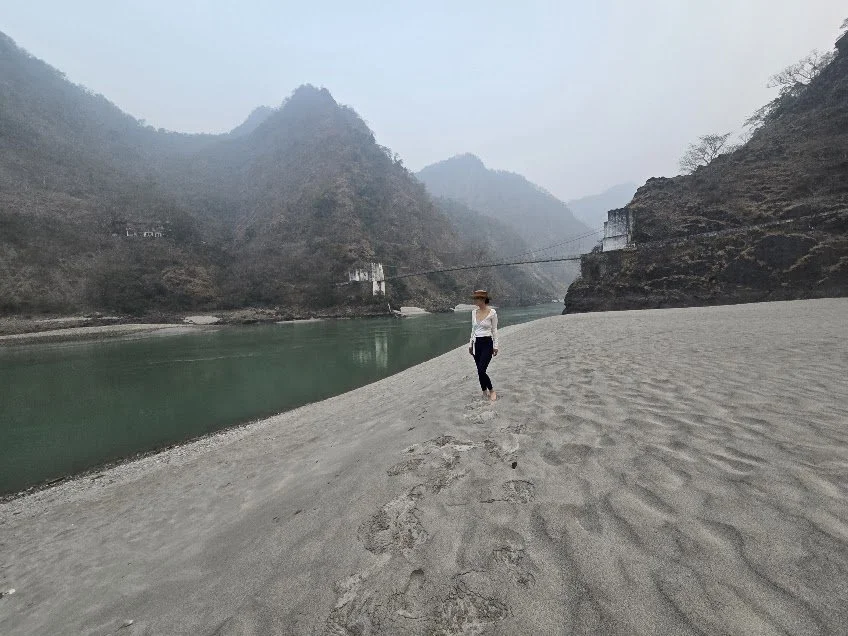
One morning, before the world fully awakened, I joined a 6:00 AM trek offered by our incredible hotel (Raga On The Ganges). The morning air was cool, the light soft, and the energy—undeniably still.
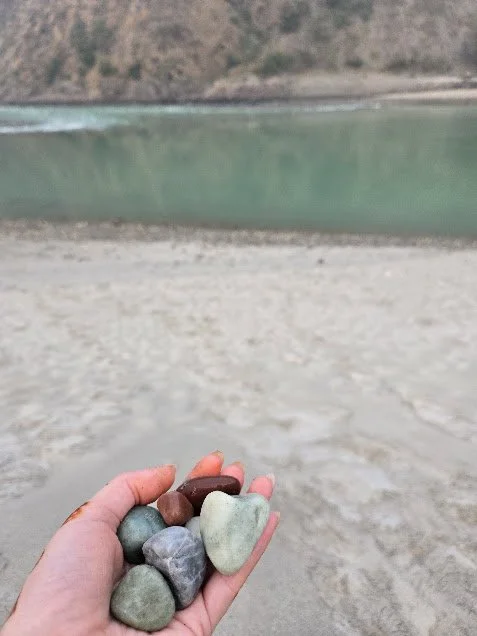
As I walked, I instinctively began collecting small rocks along the path—tiny, grounding reminders of the moment.
And then I saw him.
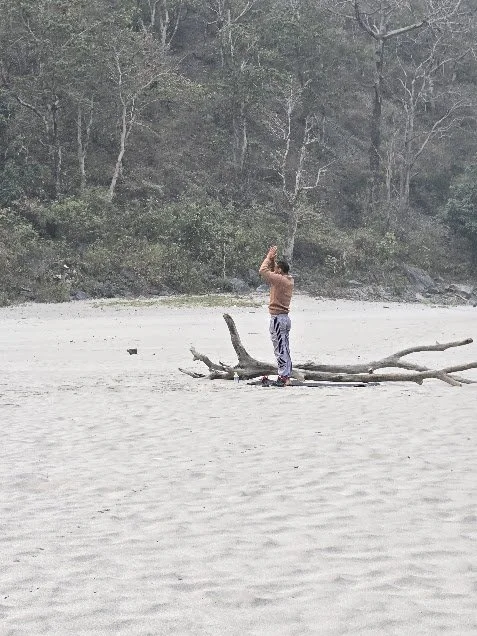
A man standing by the river, practicing yoga as the sun rose over the Ganges. No audience. No phone. No rush. Just breath, movement and true devotion.
Later, I learned he was a chef at the hotel—beginning his day not with urgency, but with alignment.
In that moment, yoga was no longer something scheduled. It was integrated.
Before we left, my tour guide gently asked if we could pray together. And so we did—surrounded by mountains, water and silence.
There was no separation between movement, spirituality and daily life.
It was all one.
What Rahul Taught Me About True Yog
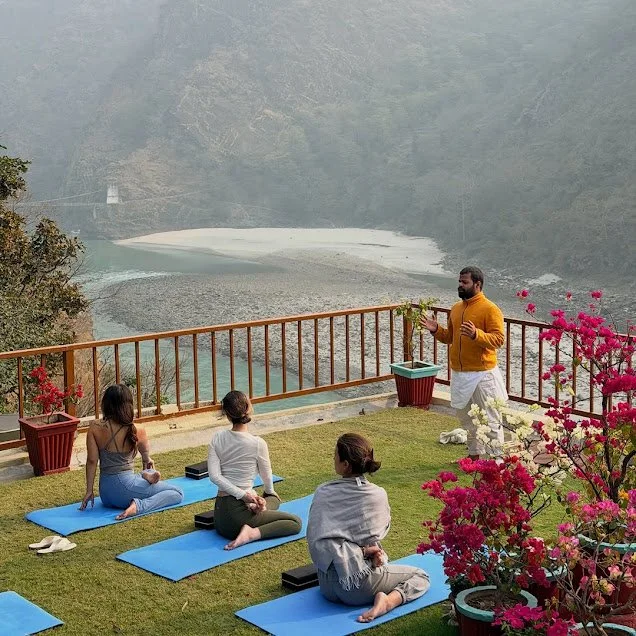
During my classes with our local instructor, Rahul, I began to understand the deeper framework behind what I was experiencing.
He explained that:
Yog and Ayurveda are deeply interconnected
Movement, breath, and lifestyle must align with your body’s natural rhythms.Real yog goes beyond the mat
It is not defined by poses, but by awareness.The 8 Limbs of Yog are the true path
A holistic system guiding ethical living, discipline, breath, focus, and ultimately, union.Asana, Pranayama, and Meditation form a complete sequence
Practicing only physical postures is just one piece of a much larger practice.Cooling practices like Shitali and Sheetkari matter
These breath techniques calm the nervous system, bringing the body back into balance after movement.
What struck me most was this:
Yoga is not about pushing your body—it is about regulating your energy.
Sanatan: The Ancient Blueprint for Living
During my time in India, I was also introduced to the word Sanatan—short for Sanatan Dharma.
Sanatan is an ancient way of life rooted in Vedic wisdom.
It emphasizes:
Satya (truth) — living in alignment with what is real and authentic
Ahimsa (non-violence) — in thought, word, and action
And it invites practices such as:
Yoga and meditation
Puja (ritual worship)
Pilgrimages to sacred places like Varanasi
Sanatan offers a framework not just for spiritual growth—but for how to move through life with integrity, awareness and harmony.
The Correlation: Movement Creates Stillness
What I came to understand is this:
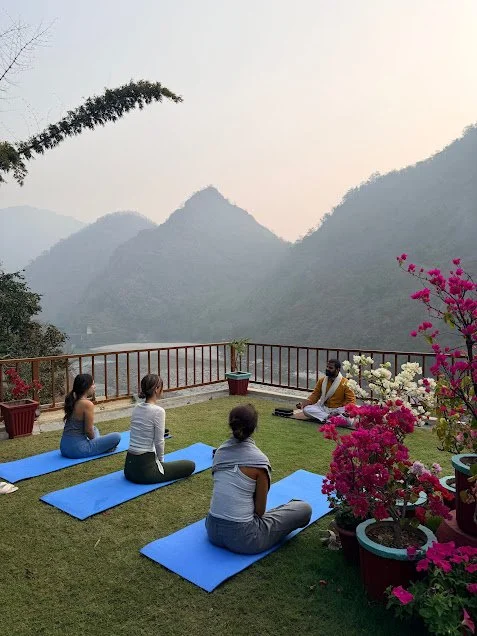
Movement, when done with intention, leads to stillness.
In the West, we often move to burn, to sculpt, to achieve.
But in India, movement is used to return.
Return to breath
Return to presence
Return to self
Through yog, Ayurveda, and daily ritual, the body becomes a gateway—not a distraction.
And stillness is no longer something you chase in meditation.
It becomes something you carry.
A New Definition of Wellness
I didn’t leave India with a stricter routine or a more advanced yoga practice.
I left with something far more subtle:
An understanding that wellness is not about adding more—it’s about integrating what already exists.
It’s in how you wake up.
How you move.
How you breathe.
How you show up.
Yog is not the hour you spend on the mat.
It is the life you live off of it.