
Rituals of Departure: Ayurveda & The Art of Transition
My Journey to India
Travel has always felt sacred to me, but India revealed something deeper — that leaving a place can be just as meaningful as arriving.
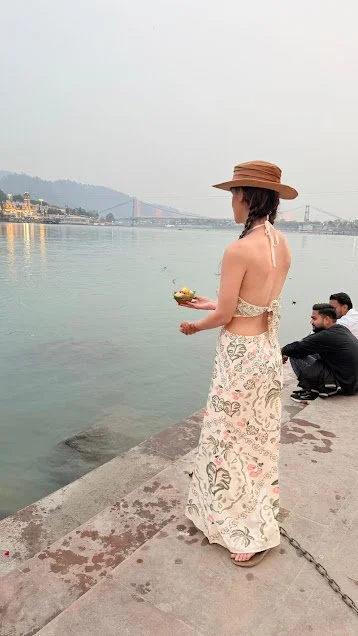
In Rishikesh, the ancient spiritual town resting along the sacred Ganges River, I experienced a ritual that honored not just relaxation but transition.
The Shodana Massage – A Ritual of Detox
On my second to final day in Rishikesh, I visited the spa at the Taj Hotel for a Shodana Massage, an Ayurvedic detox ritual designed to cleanse the body before departure.
Before the massage began, my therapist Sibani welcomed me with a beautiful reminder of Indian hospitality.
“In India,” she said softly, “there is a saying — the guest is treated as God.”
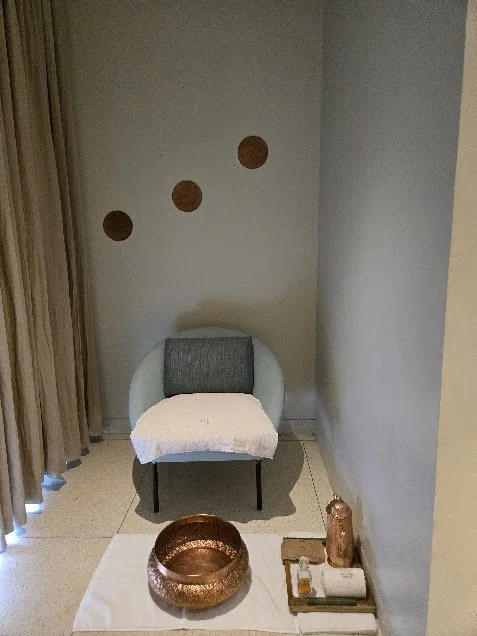
In many homes, she explained, guests are welcomed by having their feet washed, a symbolic gesture of humility, purification and reverence.
The ritual began with a bowl of water placed before me, a smooth stone resting within it. Sibani gently poured water over my feet, massaging them slowly. The stone represented the grounding energy of the earth — helping to cleanse the chakras and prepare the body for healing.
It felt less like a spa treatment and more like stepping into an ancient ceremony.
Sacred Oils of the Earth
The Shodana massage uses the Taj’s special Ayurvedic detox blend of oils, infused with:
Tulsi (holy basil) – revered in India for strengthening the immune system and purifying the body
Wild turmeric – known for its anti-inflammatory and skin healing properties
Lime – cleansing and invigorating
Ginger – stimulating circulation and aiding detoxification
As the warm oils soaked into my skin, Sibani worked in long rhythmic movements that felt deeply restorative.
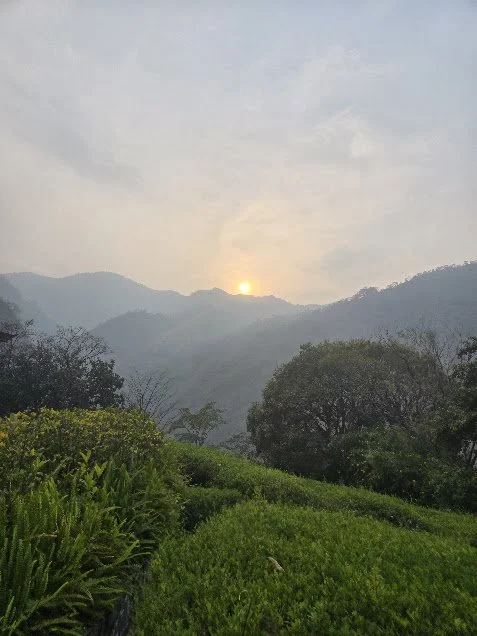
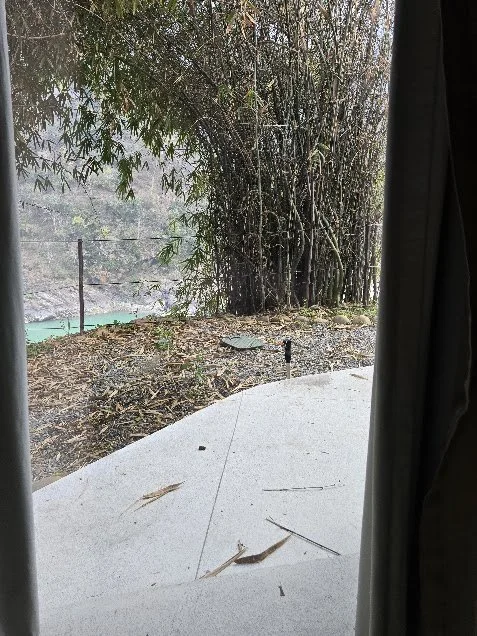
Outside, the Ganges flowed quietly through the Himalayan foothills — a river revered for thousands of years as a source of purification and spiritual rebirth.
Vishuddhi Tea & The Breath of Renewal
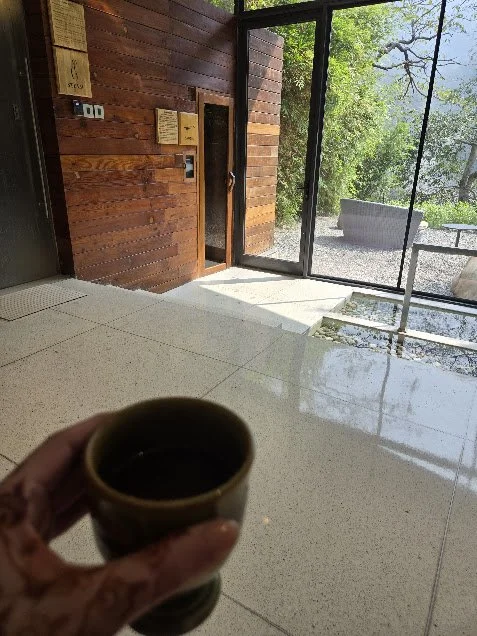
After the massage, I was served a cup of Vishuddhi Chai Tea, an herbal blend designed to support the lungs and respiratory system, helping the body release toxins and restore balance.
“Vishuddhi,” Sibani explained, refers to the throat chakra — the center of purification and expression.
It felt symbolic.
As if this tea was preparing my voice to carry the wisdom of this journey back home.
A Crowning Gesture of Gratitude
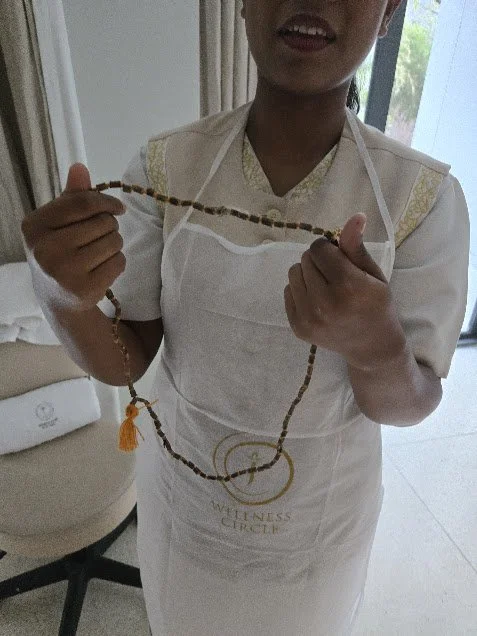
Before I left, Sibani placed a tulsi bead mala around my neck.
A quiet crowning ritual of gratitude.
Tulsi beads are sacred in India — believed to carry protective and purifying energy.
Wearing the mala felt like carrying a small piece of India with me.
Carrying the Ritual Forward
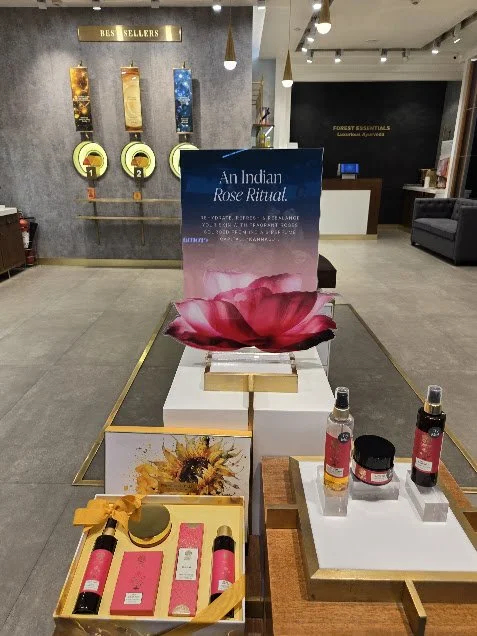
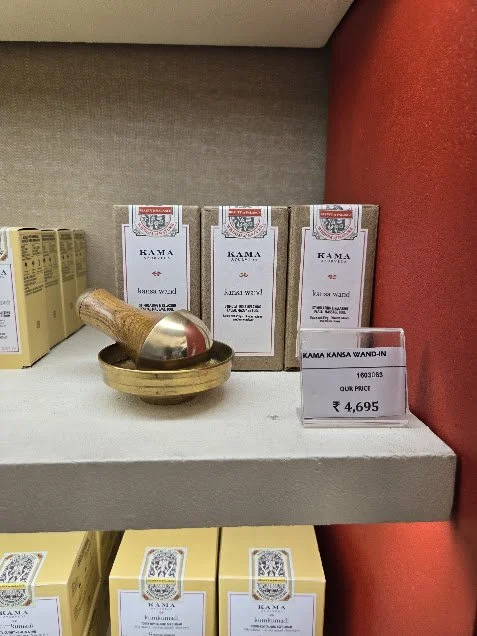
At the Delhi airport later that week, I found two small treasures to continue these rituals at home:
Kansa Wand – an ancient Ayurvedic facial massage tool made from healing metal that balances skin and energy.
Saundarya Prasadak Rosewater Facial Mist
In Ayurveda, Prasadak refers to herbal cosmetics made from natural ingredients like herbs, barks, and roots — designed not only to enhance beauty, but to nourish the skin as part of holistic wellness.
Beauty, in Ayurveda, is never separate from healing.

The Fire Ceremony of the Ganges
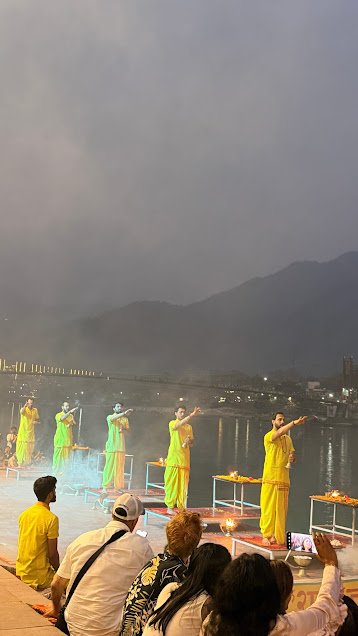
On my second to last night in Rishikesh, I watched flames dance along the Ganges during the evening Ganga Aarti.
Priests lifted lanterns into the air while chants echoed across the river. Marigolds floated along the water’s surface like glowing constellations.
It was mesmerizing.
A reminder that the rituals of this city have been practiced for thousands of years — long before wellness became a trend.
In many ways, Rishikesh has been practicing Old Soul Self Care all along.
Through herbal oils.
Through sacred rivers.
Through honoring guests as divine.
And through the simple act of pausing long enough to cleanse the body, calm the mind and prepare the spirit for whatever comes next.
Because sometimes the most powerful ritual is not arrival.
It’s learning how to leave transformed.